
Introduction: The 2026 CBD Isolate Procurement Landscape
The global CBD isolate market has matured significantly since its early days of fragmented supply and inconsistent quality. In 2026, B2B buyers face a fundamentally different procurement environment — one characterized by surplus manufacturing capacity, tightening regulatory frameworks, and increasing buyer sophistication. For procurement professionals sourcing CBD isolate at industrial volumes (100 kg to multi-ton quantities), understanding this landscape is essential for securing competitive pricing without compromising quality or compliance.
This guide provides a systematic framework for bulk CBD isolate procurement, covering every stage from initial market assessment through supplier qualification, contract negotiation, and ongoing supply chain management. Whether you are a pharmaceutical manufacturer, cosmetics formulator, or nutraceutical brand, the principles outlined here will help you build a resilient, cost-effective CBD supply chain.
Understanding CBD Isolate Grades and Specifications
Pharmaceutical Grade vs. Industrial Grade
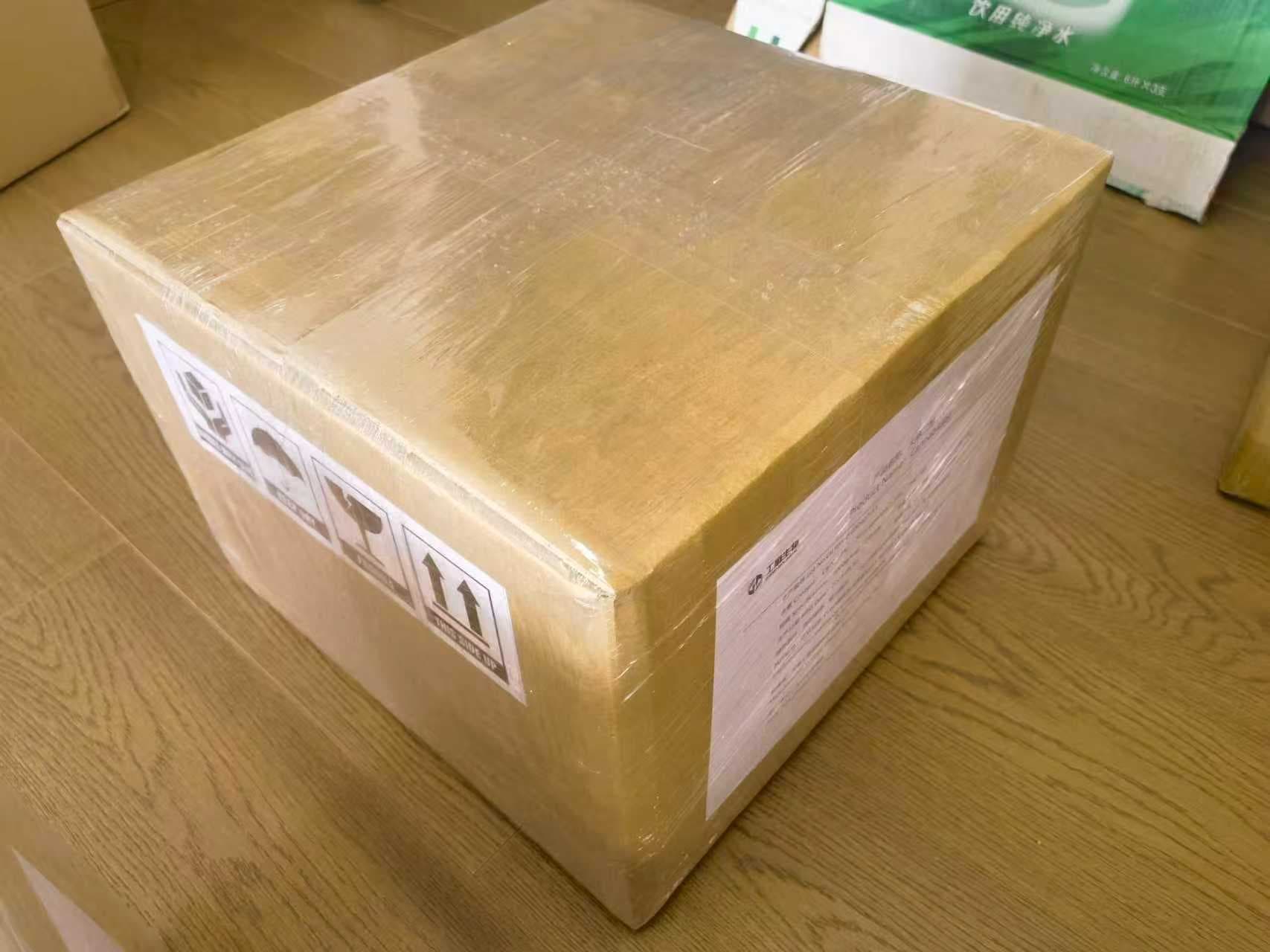
Not all CBD isolate is created equal. The market broadly segments into three quality tiers, each serving distinct downstream applications:
Pharmaceutical Grade (≥99.5% purity)
- Produced under cGMP conditions with full batch documentation
- Residual solvent levels below ICH Q3C limits
- Heavy metals below USP <232> thresholds
- Microbial testing per USP <61>/<62>
- Required for prescription drug formulations and clinical trials
- Price premium: 40–80% above industrial grade
Food/Supplement Grade (≥98.0% purity)
- Produced under food-safety protocols (HACCP/ISO 22000)
- Novel Food compliant documentation (EU markets)
- Suitable for dietary supplements, functional foods, and beverages
- Most common grade for B2B transactions globally
Cosmetic/Technical Grade (≥95.0% purity)
- Acceptable for topical formulations where oral bioavailability is irrelevant
- Lower documentation requirements
- Significant cost advantage for non-ingestible applications
Critical Specification Parameters
When evaluating CBD isolate suppliers, these parameters define product acceptability:
Scroll horizontally to view the full table.
| Parameter | Pharmaceutical Grade | Food Grade | Cosmetic Grade |
|---|---|---|---|
| CBD Purity | ≥99.5% | ≥98.0% | ≥95.0% |
| THC Content | <0.01% (ND preferred) | <0.2% (EU) / <0.3% (US) | <0.2% |
| Residual Solvents | ICH Q3C Class 2/3 limits | <500 ppm total | <5,000 ppm |
| Heavy Metals (Pb) | <0.5 ppm | <1.0 ppm | <10 ppm |
| Heavy Metals (As) | <0.15 ppm | <0.3 ppm | <2.0 ppm |
| Heavy Metals (Cd) | <0.25 ppm | <0.5 ppm | <1.0 ppm |
| Heavy Metals (Hg) | <0.15 ppm | <0.1 ppm | <1.0 ppm |
| Pesticides | USP <561> | EU MRLs | Basic panel |
| Microbial (TPC) | <100 CFU/g | <1,000 CFU/g | <10,000 CFU/g |
| Appearance | White crystalline powder | White to off-white | Off-white acceptable |
| Melting Point | 62–67°C | 62–67°C | 60–68°C |
Understanding which grade your application requires prevents over-specification (paying pharmaceutical prices for cosmetic applications) and under-specification (risking regulatory non-compliance).
Supplier Qualification Framework
The Five Pillars of Supplier Assessment
Qualifying a CBD isolate supplier requires systematic evaluation across five dimensions:
Supplier Qualification Process
Documentation Review
Verify licenses, certifications, and regulatory standing
Quality System Audit
Assess GMP compliance, SOPs, and CAPA processes
Sample Testing
Independent lab verification of specifications
Capacity Assessment
Confirm production volume and lead time capabilities
Commercial Evaluation
Pricing, payment terms, and contract flexibility
Documentation Review
Verify licenses, certifications, and regulatory standing
Quality System Audit
Assess GMP compliance, SOPs, and CAPA processes
Sample Testing
Independent lab verification of specifications
Capacity Assessment
Confirm production volume and lead time capabilities
Commercial Evaluation
Pricing, payment terms, and contract flexibility
Pillar 1: Regulatory Documentation
Before engaging any supplier commercially, verify:
- Valid manufacturing license for CBD/hemp processing in their jurisdiction
- Export permits (if cross-border procurement)
- GMP certification (ISO 22716 for cosmetics, HACCP for food, cGMP for pharma)
- Third-party lab accreditation (ISO 17025) for in-house testing claims
- Regulatory history — any warning letters, recalls, or enforcement actions
Pillar 2: Quality Management System
A robust quality system includes:
- Documented Standard Operating Procedures (SOPs) for all critical processes
- Corrective and Preventive Action (CAPA) system with evidence of implementation
- Change control procedures
- Supplier qualification program for their own raw materials (hemp biomass)
- Stability testing data demonstrating shelf-life claims
- Batch traceability from seed to finished isolate
Pillar 3: Analytical Verification
Never rely solely on supplier-provided Certificates of Analysis. Implement:
- Independent third-party testing of pre-shipment samples
- Full cannabinoid profile (not just CBD potency)
- Residual solvent screening appropriate to the extraction method used
- Heavy metals panel (Pb, As, Cd, Hg at minimum)
- Pesticide screening (at least the EU harmonized panel of 70+ compounds)
For guidance on interpreting analytical certificates, see our detailed guide: How to Read a CBD Certificate of Analysis.
Pillar 4: Production Capacity
Assess whether the supplier can reliably meet your volume requirements:
- Annual production capacity (verified, not claimed)
- Current capacity utilization rate
- Lead time from order to shipment
- Ability to scale during demand peaks
- Backup production capabilities or secondary facilities
Pillar 5: Commercial Viability
Evaluate the supplier's business stability:
- Years in operation
- Financial health indicators
- Customer references (request 3–5 current B2B customers)
- Insurance coverage (product liability, recall insurance)
- Willingness to sign quality agreements and supply contracts
Pricing Structures and Cost Analysis
2026 Market Pricing Overview
CBD isolate pricing has stabilized considerably from the volatile 2019–2022 period. Current market pricing (Q2 2026) for food-grade CBD isolate:
Scroll horizontally to view the full table.
| Order Volume | Price Range (USD/kg) | Typical Payment Terms |
|---|---|---|
| 1–10 kg (sample/trial) | $800–$1,200 | 100% prepayment |
| 10–50 kg | $600–$900 | 50% deposit, 50% before shipment |
| 50–200 kg | $450–$700 | 30% deposit, 70% against B/L |
| 200–500 kg | $350–$550 | Net 30–60 days (established accounts) |
| 500+ kg | $280–$450 | Net 60–90 days or LC at sight |
These ranges reflect Chinese-origin isolate (which represents approximately 60% of global B2B supply). European-manufactured isolate commands a 30–60% premium, while North American isolate sits 15–40% above Chinese pricing.
Total Cost of Ownership
The purchase price per kilogram is only one component of total procurement cost. A complete cost analysis must include:
- Freight and logistics: $15–$40/kg for air freight; $3–$8/kg for sea freight (FCL)
- Import duties: 0–6.5% depending on HS code classification and trade agreements
- Customs clearance and documentation: $500–$2,000 per shipment
- Third-party testing: $1,500–$4,000 per batch (full panel)
- Storage and warehousing: $2–$5/kg/month (climate-controlled)
- Insurance: 0.3–0.8% of shipment value
- Currency hedging: 0.5–2% (for non-USD transactions)
- Quality rejection risk: Factor 2–5% of order value for potential rejections
For a 200 kg order at $500/kg, the true landed cost typically ranges from $560–$620/kg when all ancillary costs are included.
Negotiation Strategies
Effective price negotiation in the CBD isolate market requires understanding supplier economics:
- Volume commitment contracts: Committing to quarterly or annual volumes (even with flexible delivery schedules) typically yields 10–20% below spot pricing
- Payment term leverage: Offering faster payment (prepayment or Net 15) can reduce pricing by 3–8%
- Multi-product bundling: Sourcing isolate alongside distillate or crude from the same supplier improves overall pricing
- Market timing: Q4 and Q1 typically see lower pricing as Chinese manufacturers clear inventory before/after Chinese New Year
- Long-term partnership framing: Suppliers invest more in relationships with buyers who demonstrate growth potential and loyalty
Logistics and Supply Chain Management
Shipping and Documentation
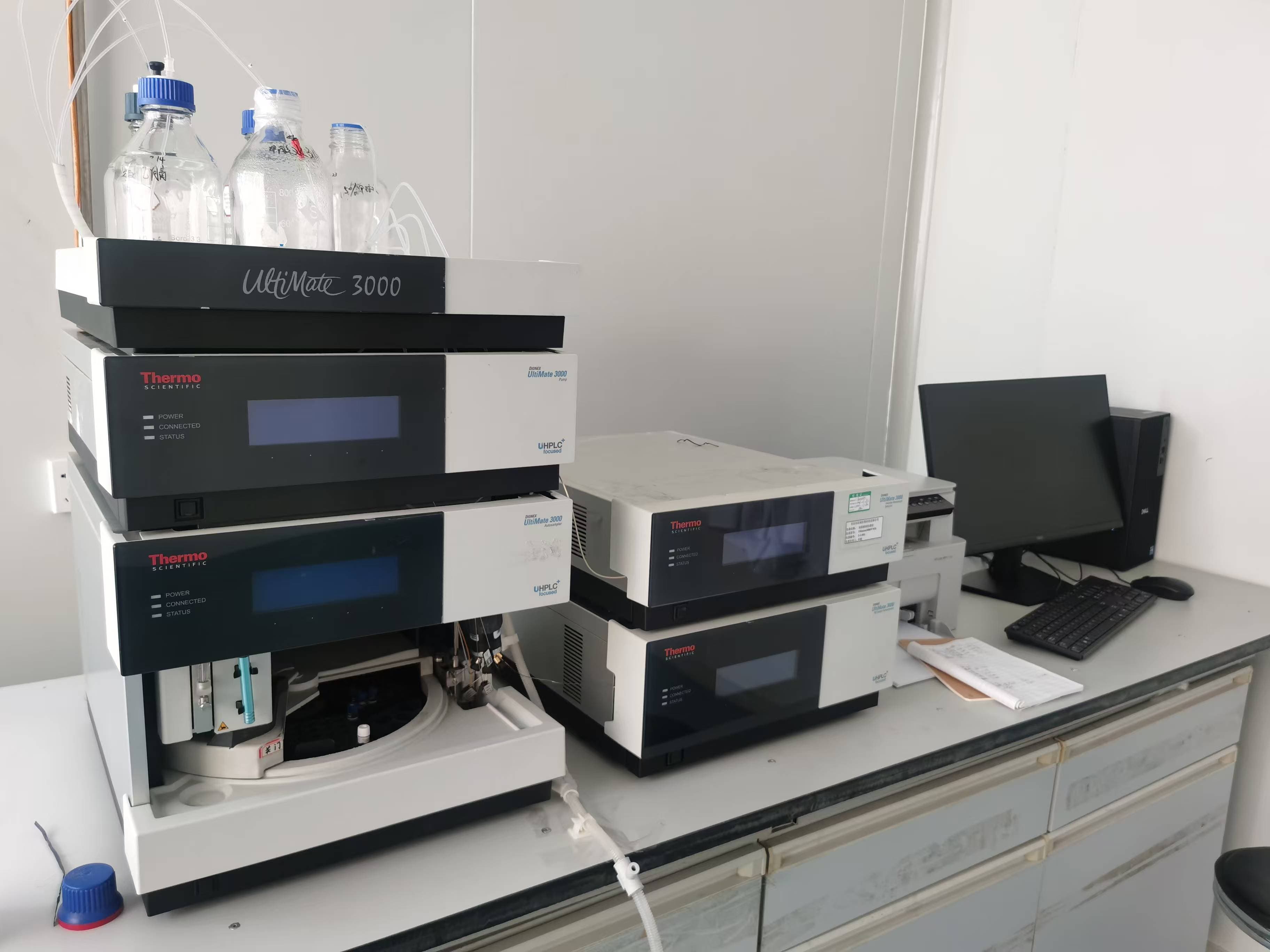
International CBD isolate shipments require meticulous documentation:
Essential shipping documents:
- Commercial Invoice with HS code (typically 2932.99 or 2942.00)
- Packing List with net/gross weights and lot numbers
- Certificate of Analysis (from accredited lab)
- Certificate of Origin
- THC compliance certificate (confirming below legal threshold)
- Material Safety Data Sheet (MSDS/SDS)
- Phytosanitary certificate (if required by destination country)
- Export license from origin country
- Import permit from destination country (where applicable)
Shipping considerations:
- CBD isolate is stable at room temperature but degrades with prolonged heat/UV exposure
- Recommended shipping conditions: <25°C, protected from light
- Packaging: double-sealed aluminum foil bags inside HDPE drums or fiber drums
- Shelf life: 24–36 months when stored properly (15–25°C, <60% RH, dark)
For a complete documentation checklist, refer to our CBD Isolate Import Documentation Guide.
Risk Mitigation Strategies
Supply chain disruptions are inevitable. Build resilience through:
- Dual sourcing: Maintain qualified backup suppliers (minimum 2 qualified sources)
- Safety stock: Hold 4–8 weeks of inventory as buffer
- Geographic diversification: Source from multiple regions to mitigate country-specific risks
- Contract protections: Include force majeure clauses, quality rejection procedures, and delivery penalty provisions
- Regular audits: Conduct annual on-site supplier audits (or virtual audits with video documentation)
Quality Assurance Best Practices
Incoming Material Inspection Protocol
Every incoming shipment should undergo a standardized inspection process:
Incoming Quality Control Process
Visual Inspection
Check packaging integrity, labeling, and appearance
Documentation Review
Verify COA matches order specs and lot numbers
Sampling
Collect representative samples per USP <905>
Identity Testing
FTIR or melting point confirmation
Full Panel Testing
Send to accredited lab for complete analysis
Release Decision
QA review and batch disposition
Visual Inspection
Check packaging integrity, labeling, and appearance
Documentation Review
Verify COA matches order specs and lot numbers
Sampling
Collect representative samples per USP <905>
Identity Testing
FTIR or melting point confirmation
Full Panel Testing
Send to accredited lab for complete analysis
Release Decision
QA review and batch disposition
Stability Monitoring
Implement ongoing stability monitoring for stored inventory:
- Test retained samples at 6-month intervals
- Monitor for CBD degradation (conversion to cannabinol/CBN)
- Track appearance changes (yellowing indicates oxidation)
- Verify potency remains within specification throughout claimed shelf life
Supplier Performance Metrics
Track these KPIs for each qualified supplier:
- On-time delivery rate: Target ≥95%
- First-pass quality acceptance rate: Target ≥98%
- COA accuracy (vs. independent testing): Target ≤2% deviation
- Response time to quality inquiries: Target <24 hours
- CAPA closure rate: Target 100% within agreed timelines
Contract Essentials
Key Contract Provisions
A well-structured supply agreement should address:
- Specifications: Detailed product specifications with acceptance/rejection criteria
- Pricing mechanism: Fixed price, index-linked, or volume-tiered
- Volume commitments: Minimum/maximum quantities with flexibility provisions
- Delivery terms: Incoterms (FOB, CIF, DDP), lead times, and scheduling
- Quality agreement: Testing responsibilities, dispute resolution for out-of-spec material
- Intellectual property: Confidentiality of formulations and custom specifications
- Regulatory compliance: Responsibility allocation for regulatory changes
- Termination provisions: Notice periods, grounds for termination, transition support
- Liability and insurance: Product liability allocation, recall cost sharing
- Dispute resolution: Arbitration venue and governing law
Red Flags in Supplier Negotiations
Exercise caution when suppliers:
- Refuse to provide reference customers
- Cannot produce historical COAs or stability data
- Offer pricing significantly below market (>30% below average)
- Resist quality agreements or audit access
- Lack proper export documentation or licenses
- Cannot explain their supply chain (biomass sourcing, extraction method)
- Push for 100% prepayment on large orders without escrow options
Working with Vetrux: Our Bulk Supply Capabilities
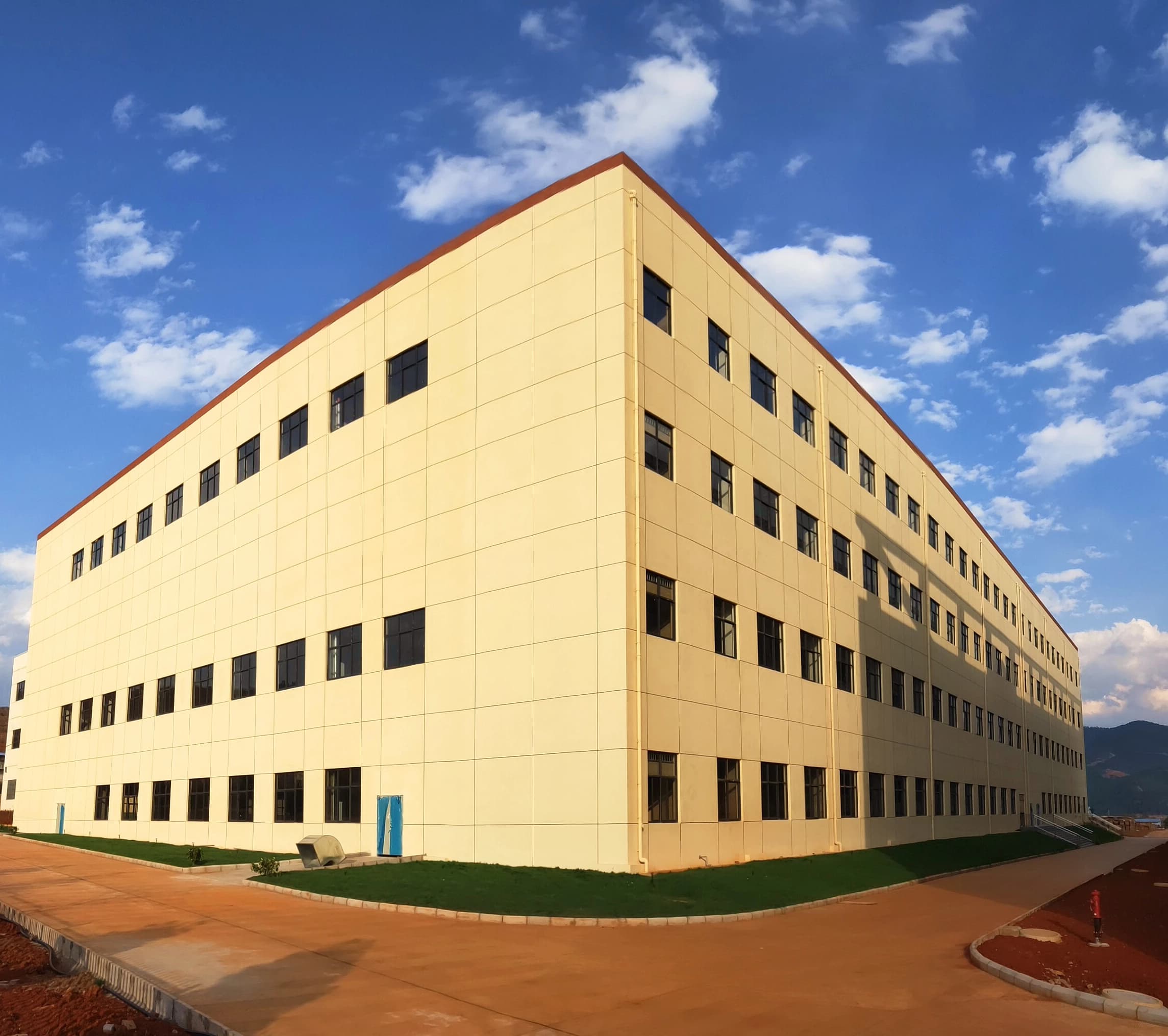
At Vetrux, our Chuxiong facility in Yunnan, China operates with an annual production capacity exceeding 50 metric tons of CBD isolate. Our vertically integrated supply chain — from proprietary hemp cultivation through supercritical CO₂ extraction to crystallization — provides several advantages for bulk buyers:
- Consistent quality: Every batch tested by both in-house and independent third-party laboratories
- Flexible volumes: From 10 kg trial orders to multi-ton annual contracts
- Competitive pricing: Vertical integration eliminates intermediary margins
- Documentation support: Full regulatory documentation package for EU, US, and APAC markets
- Custom specifications: Ability to produce to customer-specific purity and particle size requirements
Ready to discuss your bulk CBD isolate requirements? Contact our sales team for a detailed quotation and sample arrangement.
About the publisher
VETRUX Technical Content Team
CBD raw-material and sourcing context
VETRUX publishes practical material-handling, documentation, and supplier-qualification guidance from the perspective of a CBD raw-material supplier in Chuxiong, Yunnan.
Learn more about VETRUX →

