
Editorial update, September 12, 2026: the residual-solvent overview and ND reporting explanation below have been revised. The original publication date is retained; this is not a full re-review of every section.
Introduction: Why COA Literacy Matters for B2B Buyers
A Certificate of Analysis (COA) is the single most important document in any CBD transaction. It is the objective, data-driven record that separates legitimate, specification-compliant material from substandard or adulterated product. Yet many procurement professionals — even experienced ones — lack the technical background to fully interpret COA data and identify potential red flags.
For B2B buyers sourcing CBD isolate, distillate, or crude oil at industrial volumes, COA literacy is not optional. It is the foundation of quality assurance, regulatory compliance, and supply chain integrity. A misread COA can result in accepting out-of-specification material, regulatory violations, product recalls, or downstream formulation failures.
This guide provides a systematic framework for reading, interpreting, and evaluating CBD Certificates of Analysis. By the end, you will understand what each section means, what constitutes acceptable results, and how to identify the warning signs that should trigger further investigation.
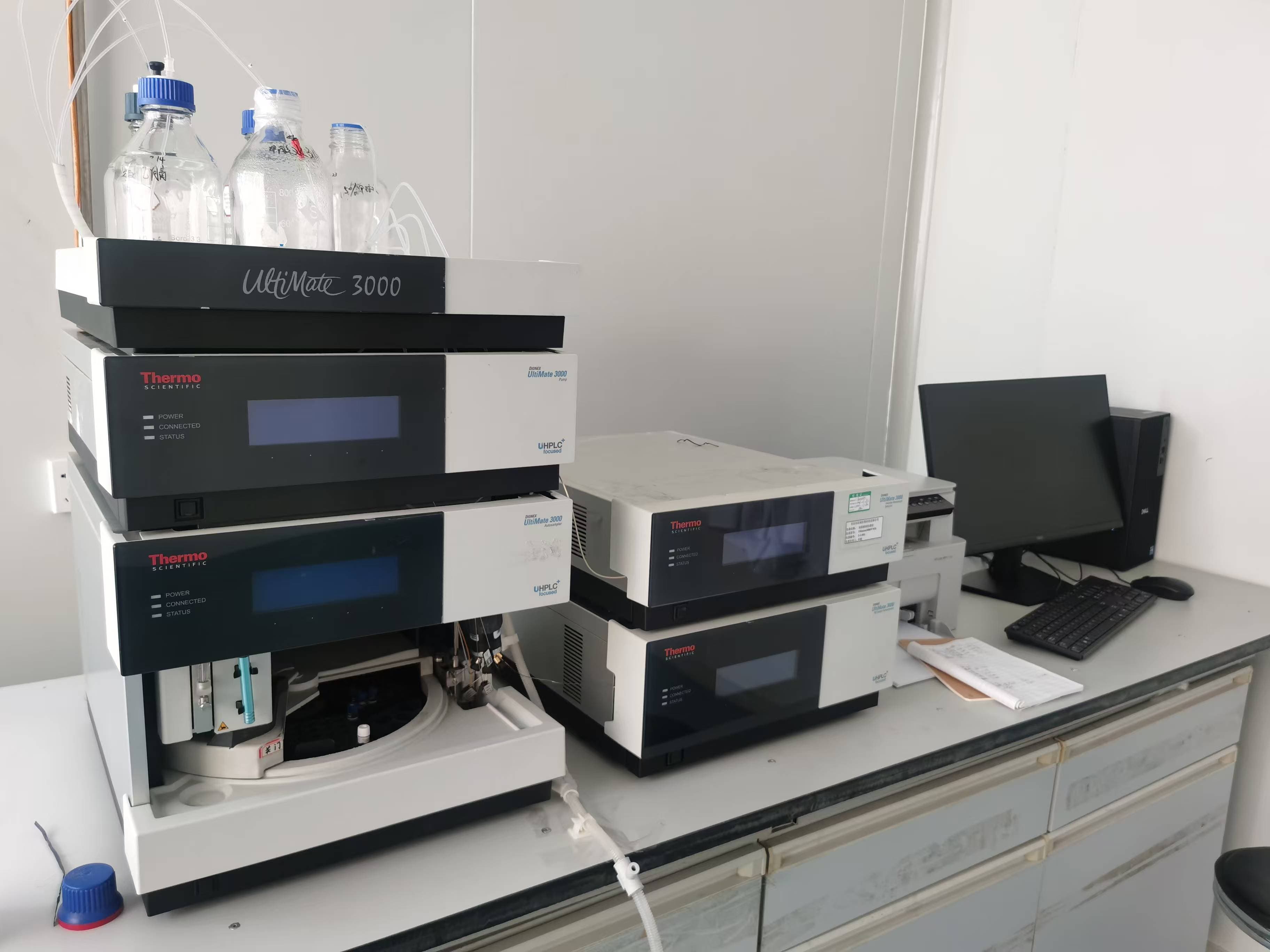
Anatomy of a COA: Key Sections Explained
A comprehensive CBD COA contains multiple analytical sections, each addressing a different aspect of product quality and safety. Understanding the structure helps you navigate even complex multi-page reports efficiently.
COA Review Process
Lab Credentials
Verify accreditation and independence
Sample Identity
Match lot numbers and dates
Cannabinoid Profile
Verify potency and THC compliance
Safety Testing
Check solvents, metals, pesticides, microbial
Overall Assessment
Pass/fail determination and red flag check
Lab Credentials
Verify accreditation and independence
Sample Identity
Match lot numbers and dates
Cannabinoid Profile
Verify potency and THC compliance
Safety Testing
Check solvents, metals, pesticides, microbial
Overall Assessment
Pass/fail determination and red flag check
Section 1: Laboratory Information and Accreditation
The header of any credible COA identifies the testing laboratory and its qualifications:
What to look for:
- Laboratory name, address, and contact information
- ISO 17025 accreditation number and accrediting body
- State/national license numbers (where applicable)
- Analyst name or ID and supervisor approval signature
- Date of analysis and report issuance date
Red flags:
- No accreditation information listed
- Accreditation from unrecognized or non-ILAC member bodies
- Laboratory address in a different country than claimed
- Missing analyst signatures or approval dates
- Report date significantly older than the sample receipt date
ISO 17025 accreditation is the international gold standard for testing laboratory competence. It ensures the lab follows validated methods, maintains calibrated equipment, participates in proficiency testing, and operates under a documented quality management system. Always verify accreditation status directly with the accrediting body — certificates can be forged or expired.
Section 2: Sample Information
This section establishes chain of custody and traceability:
What to look for:
- Sample description (e.g., "White crystalline powder, CBD Isolate")
- Lot/batch number (must match your purchase order)
- Sample receipt date
- Date of manufacture (if provided)
- Client name (should be the supplier or a recognizable entity)
- Sample condition upon receipt
Red flags:
- Lot number on COA does not match the lot number on your product packaging
- Sample described differently than the product you received
- Significant time gap between manufacture date and test date (>6 months suggests retesting of old stock)
- Generic sample descriptions without specific lot identification
Section 3: Cannabinoid Profile
The cannabinoid profile is typically the first analytical section and the most scrutinized. It quantifies the concentration of individual cannabinoids present in the sample.
Key cannabinoids reported:
Scroll horizontally to view the full table.
| Cannabinoid | Abbreviation | Significance for CBD Isolate |
|---|---|---|
| Cannabidiol | CBD | Primary active — must meet purity specification |
| Delta-9-THC | Δ9-THC | Regulated compound — must be below legal limit |
| Delta-8-THC | Δ8-THC | Semi-synthetic indicator — should be ND or trace |
| Cannabinol | CBN | Degradation marker — elevated levels suggest age/heat exposure |
| Cannabigerol | CBG | Minor cannabinoid — typically <0.5% in isolate |
| Cannabichromene | CBC | Minor cannabinoid — typically <0.3% in isolate |
| THCA | THCA | Precursor — relevant for total THC calculation |
| CBDA | CBDA | Precursor — should be ND in properly decarboxylated isolate |
Understanding potency reporting:
CBD potency is reported as weight percentage (w/w). For CBD isolate, acceptable ranges are:
- Pharmaceutical grade: ≥99.5%
- Food/supplement grade: ≥98.0%
- Cosmetic grade: ≥95.0%
Total THC calculation:
Regulatory compliance requires calculating Total THC, not just Delta-9-THC:
Total THC = Δ9-THC + (THCA × 0.877)
The 0.877 conversion factor accounts for the molecular weight difference when THCA decarboxylates to THC. For CBD isolate, both values should be below the limit of quantitation (LOQ), but always verify the total THC calculation against your target market's legal threshold.
Method of analysis:
Cannabinoid quantification should use High-Performance Liquid Chromatography (HPLC) with UV detection, or Ultra-Performance Liquid Chromatography (UPLC). Gas Chromatography (GC) is less preferred for cannabinoid analysis because the heat involved can convert acidic cannabinoids (THCA → THC), potentially inflating THC readings.
Section 4: Residual Solvents
Review the named solvent panel, analytical method, units, reporting thresholds and the link between the tested sample and purchased lot. An omitted solvent has no reported result; a summary badge does not explain the panel's coverage.
ICH Q3C addresses pharmaceuticals. Its classifications and exposure framework must not be treated as universal acceptance limits for every CBD product category or destination market. Ask the responsible quality or regulatory reviewer to confirm the applicable criteria and document their basis.
For a step-by-step review, including ND interpretation, panel omissions and report revisions, use the CBD isolate residual-solvent report worksheet. Escalate unresolved sample identity, unsuitable reporting thresholds or results outside the agreed criteria before approval.
Section 5: Heavy Metals
Heavy metals testing screens for toxic elemental contaminants that can accumulate in hemp plants from contaminated soil or be introduced during processing:
Standard panel and typical limits:
Scroll horizontally to view the full table.
| Metal | Symbol | USP <232> Oral Limit | EU Food Limit | Cosmetic Limit |
|---|---|---|---|---|
| Lead | Pb | 0.5 μg/g | 0.2 mg/kg | 10 mg/kg |
| Arsenic | As | 0.15 μg/g | 0.1 mg/kg | 2 mg/kg |
| Cadmium | Cd | 0.25 μg/g | 0.2 mg/kg | 1 mg/kg |
| Mercury | Hg | 0.15 μg/g | 0.01 mg/kg | 1 mg/kg |
Method of analysis:
Inductively Coupled Plasma Mass Spectrometry (ICP-MS) is the gold standard for heavy metals testing, offering detection limits in the parts-per-billion (ppb) range. ICP-OES (Optical Emission Spectrometry) is acceptable but has higher detection limits.
Red flags:
- Any metal above the applicable limit for your product category
- Results reported as "<LOQ" without stating the LOQ value (the LOQ might be above the specification limit)
- Only partial panel tested (e.g., only lead and mercury, missing arsenic and cadmium)
- Method not specified or using outdated techniques (AAS instead of ICP-MS)
Section 6: Pesticide Screening
Pesticide testing verifies that the CBD isolate is free from agricultural chemical residues. Hemp is a bioaccumulator, meaning it readily absorbs pesticides from soil and water — even those applied to adjacent fields.
Testing scope:
- EU harmonized panel: 70+ compounds (most comprehensive)
- US state panels: 60–96 compounds (varies by state)
- Basic panel: 20–30 most common pesticides
Key pesticide categories:
- Organophosphates (e.g., chlorpyrifos, malathion)
- Organochlorines (e.g., DDT metabolites, lindane)
- Pyrethroids (e.g., bifenthrin, permethrin)
- Carbamates (e.g., carbaryl, carbofuran)
- Fungicides (e.g., myclobutanil — converts to hydrogen cyanide when heated)
- Growth regulators (e.g., paclobutrazol)
Red flags:
- Any pesticide detected above the applicable Maximum Residue Limit (MRL)
- Myclobutanil detected at any level (particularly concerning for inhalation products)
- Limited panel testing (<30 compounds) for food-grade material
- Results reported only as "Pass" without quantitative data
Section 7: Microbial Contamination
Microbial testing ensures the product is free from pathogenic organisms and within acceptable limits for total bioburden:
Standard microbial panel:
Scroll horizontally to view the full table.
| Test | Specification (Food Grade) | Method |
|---|---|---|
| Total Plate Count (TPC) | <1,000 CFU/g | USP <61> |
| Total Yeast & Mold | <100 CFU/g | USP <61> |
| E. coli | Not detected / <10 CFU/g | USP <62> |
| Salmonella | Not detected in 25g | USP <62> |
| Staphylococcus aureus | Not detected in 10g | USP <62> |
| Bile-tolerant gram-negative | <10 CFU/g | USP <62> |
Red flags:
- Any pathogen detected (Salmonella, E. coli, S. aureus)
- Total plate count approaching or exceeding limits
- Yeast and mold counts elevated (suggests moisture exposure or poor storage)
- Incomplete microbial panel (missing pathogen-specific testing)
Section 8: Mycotoxins (When Applicable)
Mycotoxin testing screens for toxic metabolites produced by mold species that can contaminate hemp during cultivation or storage:
- Aflatoxins (B1, B2, G1, G2): Total <20 ppb, B1 <5 ppb
- Ochratoxin A: <20 ppb
This testing is particularly important for material sourced from humid growing regions or stored under suboptimal conditions.
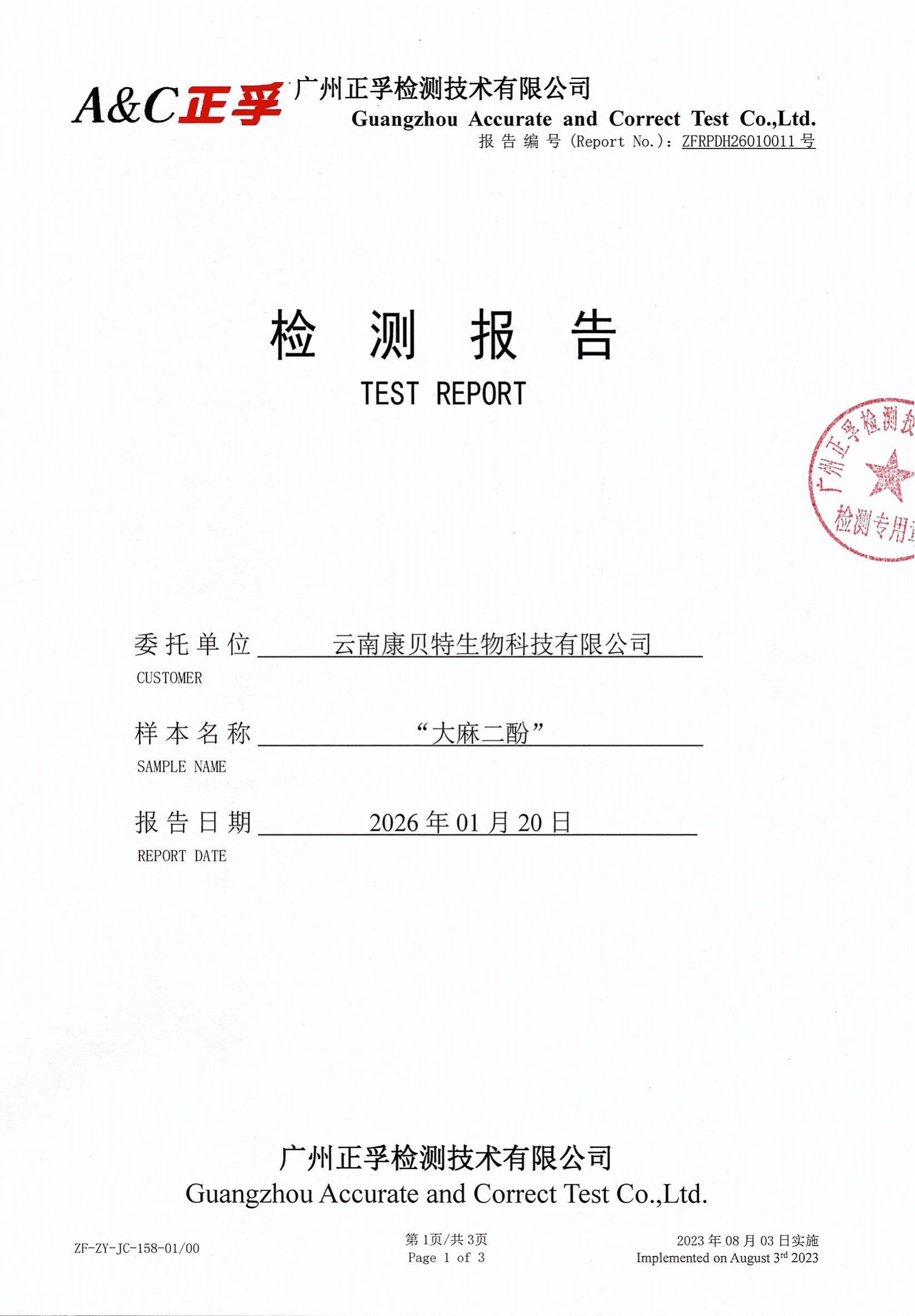
How to Verify COA Authenticity
COA fraud exists in the CBD industry. Protect yourself with these verification steps:
- Contact the laboratory directly: Call or email the lab listed on the COA to confirm they tested that specific lot number on the stated date
- Check QR codes or verification portals: Many accredited labs provide online verification systems where you can look up results by report number
- Cross-reference accreditation: Verify the lab's ISO 17025 scope includes cannabinoid and contaminant testing (some labs are accredited for other matrices but not cannabis/hemp)
- Request raw chromatograms: Legitimate labs can provide the underlying HPLC chromatograms — these are difficult to fabricate convincingly
- Compare multiple COAs: If a supplier provides COAs from different batches that show identical results (to multiple decimal places), this is statistically improbable and suggests fabrication
Common COA Interpretation Mistakes
Mistake 1: Confusing LOD and LOQ
- LOD (Limit of Detection): The lowest concentration that can be reliably distinguished from zero
- LOQ (Limit of Quantitation): The lowest concentration that can be accurately measured with acceptable precision
A result of "<LOQ" is below the stated quantification threshold, not proof of zero. For "ND," check the laboratory's legend: the applicable reporting convention must be confirmed rather than assumed to mean the LOD. A reporting threshold above the acceptance criterion cannot, by itself, establish that the criterion is met. See the analytical definitions in ICH Q2(R2).
Mistake 2: Ignoring Measurement Uncertainty
All analytical measurements carry inherent uncertainty. A reported CBD content of 99.2% ± 0.5% means the true value lies between 98.7% and 99.7% with 95% confidence. When results are near specification boundaries, measurement uncertainty becomes critical for accept/reject decisions.
Mistake 3: Accepting Partial Testing
A COA showing only cannabinoid potency — without residual solvents, heavy metals, pesticides, and microbial testing — is incomplete. Full-panel testing is essential for any material entering your supply chain, regardless of the supplier's reputation.
Mistake 4: Not Matching Lot Numbers
Every COA is specific to a single production lot. Verify that the lot number on the COA exactly matches the lot number on your received product packaging. Suppliers sometimes provide COAs from a different (perhaps better-performing) batch.
Building Your COA Review Checklist
Implement a standardized review process for every incoming COA:
COA Acceptance Workflow
Identity Check
Lot number matches order and packaging
Lab Verification
Accredited lab, valid report, recent date
Spec Compliance
All results within your specifications
Red Flag Scan
Check for anomalies and inconsistencies
File and Track
Archive COA and log in quality system
Identity Check
Lot number matches order and packaging
Lab Verification
Accredited lab, valid report, recent date
Spec Compliance
All results within your specifications
Red Flag Scan
Check for anomalies and inconsistencies
File and Track
Archive COA and log in quality system
Immediate rejection criteria:
- Lot number mismatch
- THC above legal limit for target market
- Any pathogen detected
- Class 1 residual solvent detected
- Heavy metal above applicable limit
- Unaccredited or unverifiable laboratory
Investigation triggers (do not reject immediately, but investigate):
- Results very close to specification limits (within measurement uncertainty)
- Unusual cannabinoid ratios (e.g., high CBN suggesting degradation)
- Solvents inconsistent with claimed extraction method
- Report date more than 6 months old
- Lab unfamiliar or recently accredited
Requesting COAs from Suppliers
What to Ask For
When requesting COAs from potential or existing suppliers, specify:
- Full-panel COA from an ISO 17025-accredited third-party laboratory (not in-house testing alone)
- Specific lot number matching the material you intend to purchase
- All pages of the report (some suppliers share only the potency page)
- Raw data or chromatograms if available
- Stability data showing the product maintains specification over its claimed shelf life
Frequency of Testing
For ongoing supply relationships, establish clear testing expectations:
- Every lot: Cannabinoid potency and identity testing
- Every lot: Residual solvents (if extraction method uses organic solvents)
- Every lot or skip-lot: Heavy metals (every lot for pharma grade; skip-lot acceptable for cosmetic grade with established supplier history)
- Every lot: Microbial contamination
- Annual or per-harvest: Full pesticide panel
- As needed: Mycotoxins (triggered by storage concerns or supplier change)
Industry Resources and Standards
For further reference on COA interpretation and quality standards:
- USP Cannabis Monographs — United States Pharmacopeia standards for cannabis-derived products
- AOAC International — Validated analytical methods for cannabis testing
- ISO 17025:2017 — General requirements for testing laboratory competence
- ICH Q3C(R9) — Pharmaceutical residual-solvent guideline and version record
- EU Novel Food Catalogue — Regulatory status of CBD in EU food applications
For bulk CBD isolate with comprehensive third-party documentation, request a sample and COA from Vetrux.
<!-- faq-placeholder -->About the publisher
VETRUX Technical Content Team
CBD raw-material and sourcing context
VETRUX publishes practical material-handling, documentation, and supplier-qualification guidance from the perspective of a CBD raw-material supplier in Chuxiong, Yunnan.
Learn more about VETRUX →

