
Introduction: Why Extraction Method Selection Matters for B2B Buyers
The extraction method used to produce CBD raw materials is not merely a manufacturing detail — it is the single most consequential variable determining product purity, production economics, regulatory compliance burden, and supply chain reliability. For B2B buyers sourcing CBD isolate, distillate, or crude oil at industrial volumes, understanding the technical and commercial tradeoffs between extraction technologies is essential for informed supplier qualification.
Three extraction methods dominate commercial CBD production globally: supercritical CO₂ extraction, ethanol extraction, and hydrocarbon extraction (primarily butane and propane). Each method carries distinct advantages and limitations across dimensions that matter to procurement professionals — from capital expenditure and throughput capacity to residual solvent profiles and regulatory acceptance across jurisdictions.
This technical comparison provides the data-driven framework B2B buyers need to evaluate extraction methodologies, qualify suppliers, and align raw material sourcing with downstream product requirements and target market regulations.
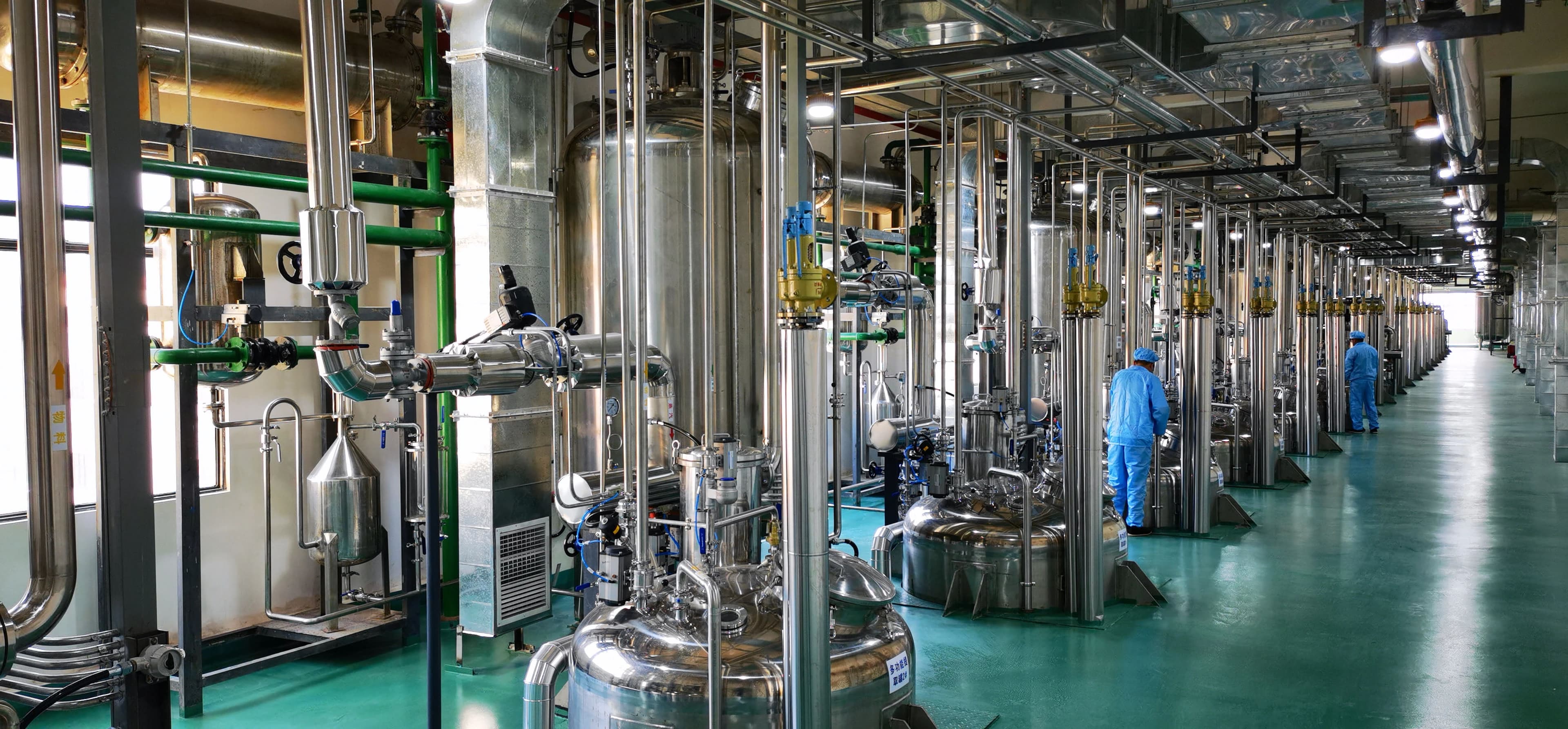
Overview of Each Extraction Method
Supercritical CO₂ Extraction
Supercritical CO₂ extraction exploits a unique physical phenomenon: carbon dioxide heated above 31.1°C and pressurized beyond 73.8 bar (1,071 psi) enters a supercritical state where it exhibits liquid-like solvation power with gas-like diffusivity. This dual nature allows CO₂ to penetrate plant material efficiently while selectively dissolving target compounds.
Operating parameters:
- Temperature range: 35–80°C (typical cannabinoid extraction: 45–65°C)
- Pressure range: 100–600 bar (typical: 200–350 bar)
- Extraction cycle time: 4–8 hours per batch
- Biomass capacity per vessel: 20–500 L (industrial systems)
The selectivity of supercritical CO₂ is its defining advantage. By precisely tuning temperature and pressure, operators can preferentially extract cannabinoids while minimizing co-extraction of chlorophyll, waxes, and water-soluble compounds. This selectivity reduces downstream purification requirements but comes at the cost of slower throughput and higher capital investment.
CO₂ extraction produces a golden-amber crude oil typically containing 60–75% total cannabinoids with minimal chlorophyll contamination. The solvent itself is non-toxic, non-flammable, and leaves zero residues — it simply reverts to gas at ambient pressure and dissipates from the extract completely.
Ethanol Extraction
Ethanol extraction leverages the amphiphilic molecular structure of ethanol (C₂H₅OH) — its nonpolar ethyl group dissolves lipophilic cannabinoids and terpenes, while its polar hydroxyl group co-extracts chlorophyll, waxes, and water-soluble compounds. This broad-spectrum solvation makes ethanol exceptionally efficient at bulk cannabinoid recovery but requires more extensive post-processing to achieve high purity.
Operating parameters:
- Temperature range: -40°C to 25°C (cold ethanol preferred for selectivity)
- Pressure: Atmospheric (no pressurization required)
- Extraction cycle time: 30–90 minutes per batch
- Biomass capacity: 500–5,000 kg/hour (centrifugal systems)
Modern industrial ethanol extraction has evolved significantly from early implementations. Cold ethanol extraction (-20°C to -40°C) substantially reduces chlorophyll and wax co-extraction, producing a cleaner crude that requires less intensive winterization. Centrifugal extraction systems — such as those deployed at Vetrux's production facility — enable continuous processing at throughputs that dwarf batch-based CO₂ systems.
Ethanol is classified as a Class 3 solvent under ICH Q3C guidelines (lowest toxicity category for organic solvents), with a permissible daily exposure of 5,000 mg/day. It is GRAS (Generally Recognized as Safe) by the FDA and accepted by regulatory authorities worldwide. Residual ethanol in final products is readily removed through standard evaporation and distillation processes.
Hydrocarbon Extraction
Hydrocarbon extraction uses light hydrocarbons — primarily n-butane (C₄H₁₀), propane (C₃H₈), or blends thereof — as extraction solvents. These nonpolar solvents exhibit high affinity for cannabinoids and terpenes while largely excluding polar compounds like chlorophyll and water-soluble sugars.
Operating parameters:
- Temperature range: -40°C to 30°C (butane); -42°C to 0°C (propane)
- Pressure range: 15–60 psi (low-pressure closed-loop systems)
- Extraction cycle time: 20–45 minutes per batch
- Biomass capacity: 5–50 kg per run (typical commercial systems)
Hydrocarbon extraction produces a light-colored crude with excellent terpene preservation and high cannabinoid concentration (65–85% in crude). The low boiling points of butane (-1°C) and propane (-42°C) facilitate easy solvent removal through gentle purging. However, the flammable and explosive nature of these solvents introduces significant safety infrastructure requirements and regulatory constraints.
Hydrocarbon extraction dominates the cannabis concentrate market (live resin, shatter, wax) but has limited penetration in industrial-scale CBD isolate production due to scalability constraints and regulatory barriers in many jurisdictions.
Comprehensive Method Comparison
The following table presents a systematic comparison across the criteria most relevant to B2B procurement decisions:
Scroll horizontally to view the full table.
| Criteria | Supercritical CO₂ | Ethanol | Hydrocarbon (Butane/Propane) |
|---|---|---|---|
| Capital Cost (Entry) | $500K–$5M | $150K–$1.5M | $100K–$500K |
| Throughput (kg biomass/day) | 100–500 | 1,000–10,000+ | 50–200 |
| Crude Cannabinoid Content | 60–75% | 55–70% | 65–85% |
| Final Isolate Purity | ≥99.0% | ≥99.0% | ≥98.5% |
| Extraction Speed | 4–8 hours/batch | 30–90 min/batch | 20–45 min/batch |
| Residual Solvents | None (CO₂ = gas) | <500 ppm (Class 3, low risk) | <5,000 ppm (Class 3, requires testing) |
| Safety Classification | Non-flammable, high-pressure | Flammable (Class 1 Div 2) | Highly flammable/explosive (Class 1 Div 1) |
| Environmental Impact | Low (CO₂ recyclable) | Low–Moderate (ethanol recyclable 90–95%) | Moderate (VOC emissions, energy for purging) |
| Terpene Preservation | Good (tunable selectivity) | Low–Moderate (cold extraction improves) | Excellent (best for full-spectrum) |
| Regulatory Acceptance | Universal | Universal (GRAS solvent) | Restricted in many jurisdictions |
| Scalability for Isolate | Moderate | Excellent | Poor |
| Best Suited For | Pharmaceutical API, premium extracts | Industrial-scale isolate & distillate | Artisanal concentrates, full-spectrum |
Scalability and Throughput Analysis
Scalability is the dimension where extraction methods diverge most dramatically — and where the choice becomes commercially decisive for buyers sourcing at metric-ton quantities.
CO₂ Extraction: Precision at a Throughput Ceiling
Supercritical CO₂ systems are inherently batch-limited. Individual extraction vessels typically range from 20L to 500L, with the largest commercial systems operating multiple vessels in parallel with automated cycling. Even the most advanced multi-vessel CO₂ installations process 100–500 kg of biomass per day — adequate for pharmaceutical-grade production but insufficient for commodity-scale CBD isolate manufacturing.
The throughput constraint is physical: maintaining supercritical conditions (200–350 bar) across large vessel volumes requires exponentially more expensive pressure containment, pumping capacity, and heat exchange infrastructure. Doubling vessel size does not double throughput — it approximately triples capital cost due to the engineering requirements of high-pressure systems.
Ethanol Extraction: Built for Industrial Scale
Ethanol extraction scales linearly with equipment investment. Centrifugal extraction systems process biomass continuously at rates of 2,000–5,000 kg per hour, with some facilities achieving 10,000+ kg/day throughput. The technology is mechanically straightforward — no high-pressure vessels, no supercritical phase management — which translates to lower maintenance costs and higher equipment uptime.
At Vetrux's production facility in Chuxiong, Yunnan, cold ethanol extraction enables processing of large hemp biomass volumes from the surrounding 30,000+ mu cultivation base. This geographic integration of cultivation and extraction — made economically viable by ethanol's scalability — delivers supply chain efficiencies that high-pressure CO₂ systems cannot match at equivalent volumes.
The scalability advantage compounds when considering the full production chain. Ethanol extraction's high throughput feeds downstream winterization, distillation, and crystallization processes efficiently, maintaining consistent utilization across all production stages rather than creating bottlenecks at the extraction step.
Hydrocarbon Extraction: Artisanal Scale Constraints
Hydrocarbon extraction faces fundamental scalability barriers. Safety regulations in most jurisdictions limit individual extraction vessel sizes and require extensive blast-proof infrastructure, gas detection systems, and emergency ventilation. The largest commercial hydrocarbon extraction operations process 50–200 kg of biomass per day — one to two orders of magnitude below ethanol systems.
These constraints are not merely regulatory — they reflect genuine safety engineering requirements. Butane-air mixtures are explosive at concentrations of 1.8–8.4% by volume, requiring Class 1 Division 1 electrical classification throughout the extraction area. Scaling hydrocarbon extraction to industrial CBD isolate volumes would require dozens of parallel extraction lines with proportional safety infrastructure investment.
Capital Expenditure Comparison by Production Scale
The following table compares total capital investment required for each extraction method at three production scales relevant to B2B CBD manufacturing:
Scroll horizontally to view the full table.
| Investment Category | Small Scale (50 kg/day) | Medium Scale (500 kg/day) | Large Scale (2,000+ kg/day) |
|---|---|---|---|
| CO₂ Extraction System | $500K–$800K | $2M–$4M | $8M–$15M (multiple parallel units) |
| Ethanol Extraction System | $150K–$300K | $500K–$1.2M | $1.5M–$3M |
| Hydrocarbon Extraction System | $100K–$250K | $400K–$800K | Not commercially viable |
| CO₂ — Facility Requirements | Standard industrial | Reinforced floor, high-pressure rated | Specialized high-pressure facility |
| Ethanol — Facility Requirements | Class 1 Div 2 rated | Class 1 Div 2, solvent storage | Class 1 Div 2, large-scale recovery |
| Hydrocarbon — Facility Requirements | Class 1 Div 1, blast-proof | Class 1 Div 1, extensive safety systems | Prohibitive safety infrastructure |
| CO₂ — Annual Operating Cost | $200K–$400K | $800K–$1.5M | $3M–$6M |
| Ethanol — Annual Operating Cost | $100K–$200K | $400K–$700K | $1M–$2M |
| Hydrocarbon — Annual Operating Cost | $80K–$150K | $300K–$500K | N/A |
| CO₂ — Cost per kg Isolate | $80–$120 | $50–$80 | $35–$55 |
| Ethanol — Cost per kg Isolate | $60–$90 | $30–$50 | $15–$30 |
| Hydrocarbon — Cost per kg Isolate | $70–$100 | $45–$70 | N/A |
| Payback Period (typical) | 3–5 years | 2–4 years | 2–3 years (ethanol); 4–6 years (CO₂) |
The cost advantage of ethanol extraction becomes increasingly pronounced at larger production scales. At 2,000+ kg/day throughput — the scale required to serve global B2B demand economically — ethanol extraction delivers isolate at $15–30/kg production cost, approximately 50% lower than equivalent CO₂ operations. This cost structure enables competitive wholesale pricing while maintaining margins sufficient for reinvestment in quality infrastructure.
Purity Outcomes and Post-Processing Requirements
All three extraction methods can ultimately produce CBD isolate at ≥99% purity — the critical distinction lies in the post-processing pathway required to reach that specification and the associated yield losses at each purification stage.
Crude Extract Quality by Method
The composition of crude extract directly determines the complexity and cost of downstream purification:
CO₂ crude (60–75% total cannabinoids): Characterized by low chlorophyll (<0.01%), minimal wax content (<0.5%), and negligible water-soluble impurities. The golden-amber crude requires standard winterization and distillation but minimal decolorization. Typical yield from biomass to crude: 12–18% by weight.
Ethanol crude (55–70% total cannabinoids): Contains higher levels of co-extracted compounds — chlorophyll (0.1–0.8%), waxes (0.5–3.0%), and water-soluble sugars/proteins (1–5%). Cold ethanol extraction (-40°C) significantly reduces these impurities, narrowing the gap with CO₂ crude. Typical yield from biomass to crude: 15–22% by weight (higher due to broader extraction).
Hydrocarbon crude (65–85% total cannabinoids): Produces the highest initial cannabinoid concentration due to the nonpolar selectivity of butane/propane. Low chlorophyll and wax co-extraction. However, residual solvent removal requires extended vacuum purging (24–72 hours) to meet safety specifications. Typical yield from biomass to crude: 14–20% by weight.
Refinement Pathway to 99%+ Isolate
The standard industrial pathway from crude to isolate involves:
- Winterization — Dissolving crude in ethanol and chilling to -20°C to -40°C to precipitate waxes and lipids
- Decolorization — Activated carbon or bentonite clay treatment to remove chlorophyll and color bodies
- Decarboxylation — Heating to 105–120°C to convert CBDa to CBD (if not performed pre-extraction)
- Distillation — Short-path or wiped-film distillation at 150–180°C under vacuum (0.01–1 mbar) to concentrate cannabinoids to 80–95% purity
- Crystallization — Controlled precipitation from pentane or heptane solution to isolate pure CBD crystals at ≥99% purity
For ethanol-extracted crude, steps 1 and 2 require slightly more aggressive processing parameters — longer winterization hold times (24–48 hours vs. 12–24 hours for CO₂ crude) and higher activated carbon loading (5–10% w/w vs. 2–5% for CO₂ crude). These additional requirements add approximately $5–15 per kilogram of final isolate to processing costs.
However, ethanol extraction's higher crude yield (15–22% vs. 12–18% for CO₂) partially offsets this cost differential. More biomass cannabinoid content is captured in the initial extraction, meaning less raw material is required per kilogram of final isolate produced.
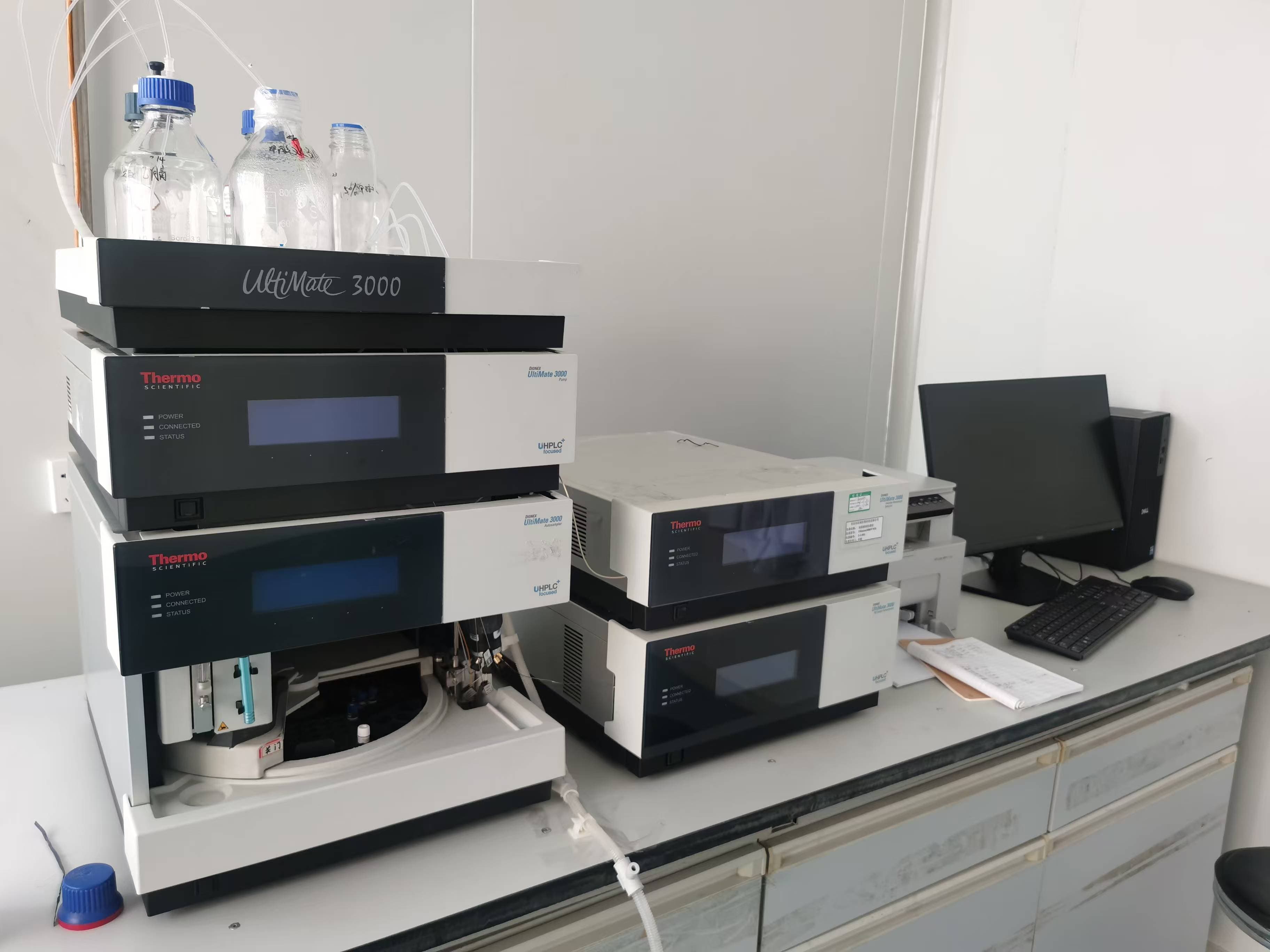
At Vetrux, our integrated quality assurance protocols monitor cannabinoid content, residual solvents, heavy metals, pesticides, and microbial contamination at each processing stage — ensuring that the final CBD isolate consistently meets ≥99% purity specifications regardless of the additional post-processing steps inherent to ethanol extraction.
Environmental Impact Assessment
Environmental sustainability is an increasingly important criterion in B2B supplier evaluation, particularly for buyers serving European markets where ESG reporting requirements are expanding.
Carbon Footprint Comparison
CO₂ extraction has a complex environmental profile. While the solvent itself is non-toxic and recyclable (90–95% recovery rates are standard), the energy required to maintain supercritical conditions is substantial. High-pressure pumps, heating systems, and cooling infrastructure consume 150–300 kWh per kilogram of crude extract produced. The carbon footprint per kilogram of isolate is estimated at 15–25 kg CO₂e when powered by grid electricity.
Ethanol extraction requires significantly less energy per unit of throughput. Operating at atmospheric pressure eliminates the energy-intensive compression requirements of CO₂ systems. The primary energy inputs are cooling (for cold extraction), heating (for solvent recovery), and mechanical energy (for centrifugal extraction). Energy consumption is approximately 50–100 kWh per kilogram of crude extract. Ethanol recovery rates of 90–95% through distillation minimize solvent waste. The carbon footprint per kilogram of isolate is estimated at 8–15 kg CO₂e.
Hydrocarbon extraction has moderate direct energy requirements but introduces environmental concerns through volatile organic compound (VOC) emissions. Even with closed-loop systems, fugitive emissions of butane and propane contribute to ground-level ozone formation. Solvent recovery rates (85–92%) are lower than ethanol systems, requiring more frequent solvent replenishment.
Waste Stream Management
All extraction methods generate spent biomass as the primary solid waste stream. This material retains residual cannabinoids (typically 0.5–2% of original content) and can be composted or used as animal bedding in jurisdictions where permitted.
Ethanol extraction's waste streams are well-characterized and manageable: spent biomass, winterization wax cake (recyclable as industrial wax), and activated carbon (disposed as industrial waste). The solvent itself is recovered and recycled in a closed loop, with makeup ethanol requirements of 5–10% of circulating volume per month.
Vetrux's location in Yunnan province — where hemp cultivation is integrated with extraction operations — enables direct return of spent biomass to agricultural land as soil amendment, closing the organic matter loop and reducing waste disposal costs.
Regulatory Considerations Across Jurisdictions
United States (FDA/State Regulations)
All three extraction methods are permitted for CBD production in the United States, though state-level regulations vary. CO₂ and ethanol extraction face minimal regulatory friction. Hydrocarbon extraction requires additional permits, safety inspections, and compliance with NFPA 1 Fire Code and local fire marshal requirements.
The FDA's current position on CBD does not differentiate between extraction methods for product safety assessment, though residual solvent testing is required for all solvent-extracted products.
European Union (Novel Food Regulation)
Under the EU Novel Food framework, CBD extracts require pre-market authorization regardless of extraction method. However, the European Food Safety Authority (EFSA) dossier requirements include detailed extraction process descriptions, solvent specifications, and residual solvent data. CO₂ extraction simplifies this documentation by eliminating the residual solvent section entirely.
Ethanol extraction is fully accepted under EU regulations — ethanol is listed in Regulation (EC) No 1334/2008 as a permitted extraction solvent for food production. The documentation burden is manageable with proper analytical protocols.
Hydrocarbon extraction faces greater scrutiny in the EU context. While not explicitly prohibited, butane and propane are not listed as permitted extraction solvents for food use in most member states, creating significant regulatory uncertainty for hydrocarbon-extracted CBD entering the European market.
Asia-Pacific Markets
APAC markets present the most varied regulatory landscape. Japan, South Korea, and Australia each maintain distinct requirements:
- Japan: Permits CBD imports but requires detailed manufacturing process documentation. Both CO₂ and ethanol extraction are accepted; hydrocarbon extraction faces additional scrutiny.
- South Korea: Requires pharmaceutical-grade manufacturing standards for CBD products. CO₂ extraction is preferred by regulators; ethanol extraction is accepted with comprehensive residual solvent documentation.
- Australia (TGA): Regulates CBD as a Schedule 4 substance. Extraction method documentation is required as part of the manufacturing license application. All methods are technically acceptable if GMP-compliant.
For B2B buyers serving multiple international markets, ethanol extraction offers the optimal balance of regulatory acceptance and production economics — it is universally recognized as a food-grade solvent, well-characterized toxicologically, and supported by decades of regulatory precedent in botanical extraction.
Industrial CBD Extraction Workflow
Industrial CBD Extraction Workflow
Biomass Preparation
Drying, milling, and decarboxylation of hemp material
Primary Extraction
Solvent-based extraction of crude cannabinoid oil
Winterization
Removal of waxes, lipids, and chlorophyll at sub-zero temperatures
Distillation
Short-path or wiped-film distillation for cannabinoid concentration
Crystallization
Isolation of pure CBD crystals through controlled precipitation
Final QC
HPLC analysis, heavy metals, pesticides, and microbial testing
Biomass Preparation
Drying, milling, and decarboxylation of hemp material
Primary Extraction
Solvent-based extraction of crude cannabinoid oil
Winterization
Removal of waxes, lipids, and chlorophyll at sub-zero temperatures
Distillation
Short-path or wiped-film distillation for cannabinoid concentration
Crystallization
Isolation of pure CBD crystals through controlled precipitation
Final QC
HPLC analysis, heavy metals, pesticides, and microbial testing
This workflow applies to all three extraction methods, though the specific parameters and equipment at each stage differ. The primary extraction step is where method selection has its greatest impact — subsequent stages are largely method-agnostic, with variations in processing intensity rather than fundamental approach.
At Vetrux, this complete workflow is executed within a single cGMP-compliant facility in Chuxiong, Yunnan — from biomass reception through final QC release. Vertical integration eliminates inter-facility transfer risks and enables real-time process optimization across all stages.
Safety and Operational Risk
Personnel Safety
CO₂ systems present asphyxiation risk in enclosed spaces (CO₂ displaces oxygen at concentrations above 5%) and high-pressure hazards (vessel failure at 200–350 bar is catastrophic). However, CO₂ is non-flammable and non-explosive, eliminating fire and explosion risk entirely. Required safety infrastructure: pressure relief systems, CO₂ monitoring with alarms, adequate ventilation, and high-pressure vessel inspection programs.
Ethanol systems introduce flammable vapor hazards. Ethanol has a flash point of 16.6°C and explosive limits of 3.3–19% by volume in air. Required safety infrastructure: Class 1 Division 2 electrical classification, explosion-proof equipment, vapor detection systems, fire suppression, and proper grounding/bonding. These requirements are well-established and manageable — ethanol has been used safely in industrial extraction (pharmaceuticals, food processing, essential oils) for over a century.
Hydrocarbon systems present the highest safety risk profile. Butane has a flash point of -60°C and explosive limits of 1.8–8.4% by volume — meaning any leak in an enclosed space creates immediate explosion risk. Required safety infrastructure: Class 1 Division 1 electrical classification (the most stringent), blast-proof construction, continuous gas monitoring, emergency shutdown systems, and remote operation capability. The U.S. Chemical Safety Board has documented multiple fatal explosions at hydrocarbon extraction facilities.
Insurance and Liability
Insurance costs reflect the risk hierarchy directly:
- CO₂ facilities: Standard industrial manufacturing rates
- Ethanol facilities: 15–30% premium over standard rates
- Hydrocarbon facilities: 50–200% premium, with many insurers declining coverage entirely
For B2B buyers conducting supplier audits, the extraction method employed is a direct indicator of operational risk management maturity and long-term supply reliability.
Making the Right Choice: Decision Framework for B2B Buyers
When CO₂ Extraction is the Right Choice
- Pharmaceutical API applications requiring zero residual solvents
- Premium full-spectrum products where terpene preservation justifies cost premium
- Small-volume, high-value production (specialty cannabinoids, rare cultivar extracts)
- Markets with extreme regulatory sensitivity to organic solvents
When Ethanol Extraction is the Right Choice
- Industrial-scale CBD isolate and distillate production
- Cost-sensitive B2B supply chains requiring competitive per-kilogram pricing
- Multi-ton annual volume requirements with consistent supply
- Markets accepting Class 3 solvent residues within pharmacopeial limits
- Vertically integrated operations combining cultivation and extraction
- Buyers prioritizing supply chain reliability and production scalability
When Hydrocarbon Extraction is the Right Choice
- Artisanal cannabis concentrates (live resin, sauce, diamonds)
- Small-batch full-spectrum products where terpene profile is the primary value driver
- Markets with established hydrocarbon extraction regulatory frameworks (select US states, Canada)
- Products where the extraction method itself is a marketing differentiator
The Industrial Reality
For B2B buyers sourcing CBD isolate at quantities of 100 kg or more per month, ethanol extraction is the dominant technology globally — and for good reason. The combination of linear scalability, proven safety record, universal regulatory acceptance, lower capital requirements, and competitive per-kilogram economics makes ethanol the rational choice for industrial CBD manufacturing.
This is precisely why Vetrux selected ethanol extraction as our primary technology. Operating from Chuxiong, Yunnan — at the center of China's largest industrial hemp cultivation region — our facility processes locally grown biomass through cold ethanol extraction, winterization, distillation, and crystallization to produce CBD isolate at ≥99% purity. The result: reliable supply at competitive pricing, backed by comprehensive quality documentation for every batch.
Conclusion
The extraction method comparison ultimately reduces to a question of alignment between production technology and commercial objectives. CO₂ extraction excels in precision and purity of crude but struggles with throughput economics at scale. Hydrocarbon extraction produces exceptional concentrates but cannot scale safely or economically for isolate production. Ethanol extraction occupies the industrial sweet spot — delivering the throughput, economics, and regulatory compatibility required for large-scale B2B CBD raw material supply.
For procurement professionals evaluating CBD suppliers, the extraction method is a window into operational philosophy. A supplier using ethanol extraction at industrial scale signals commitment to volume reliability, cost efficiency, and pragmatic quality management — the attributes that matter most in B2B raw material supply chains.
Ready to source industrial-scale CBD isolate? Contact Vetrux for pricing, COA samples, and technical specifications. Our team provides detailed process documentation and supports supplier qualification audits at our Chuxiong facility.
<!-- faq-placeholder -->
References and Further Reading:
- ICH Q3C(R8) Guideline: Impurities — Residual Solvents — International Council for Harmonisation
- FDA Regulation of Cannabis and Cannabis-Derived Products — U.S. Food and Drug Administration
- EFSA Novel Food Applications — European Food Safety Authority
- Regulation (EC) No 1334/2008 on Extraction Solvents — EUR-Lex
- NFPA 1: Fire Code — National Fire Protection Association
- U.S. Chemical Safety Board Investigation Reports — CSB
- Journal of Supercritical Fluids — Cannabis Extraction Studies — Elsevier
- Cannabis and Cannabinoid Research Journal — Mary Ann Liebert Publishers
Published by Vetrux Biotechnology (Chuxiong) Co., Ltd. — Industrial CBD isolate manufacturer specializing in ethanol extraction technology. Request a quote or explore our product specifications.
About the publisher
VETRUX Technical Content Team
CBD raw-material and sourcing context
VETRUX publishes practical material-handling, documentation, and supplier-qualification guidance from the perspective of a CBD raw-material supplier in Chuxiong, Yunnan.
Learn more about VETRUX →

